Sustainable Materials Transforming Modern Interior Design
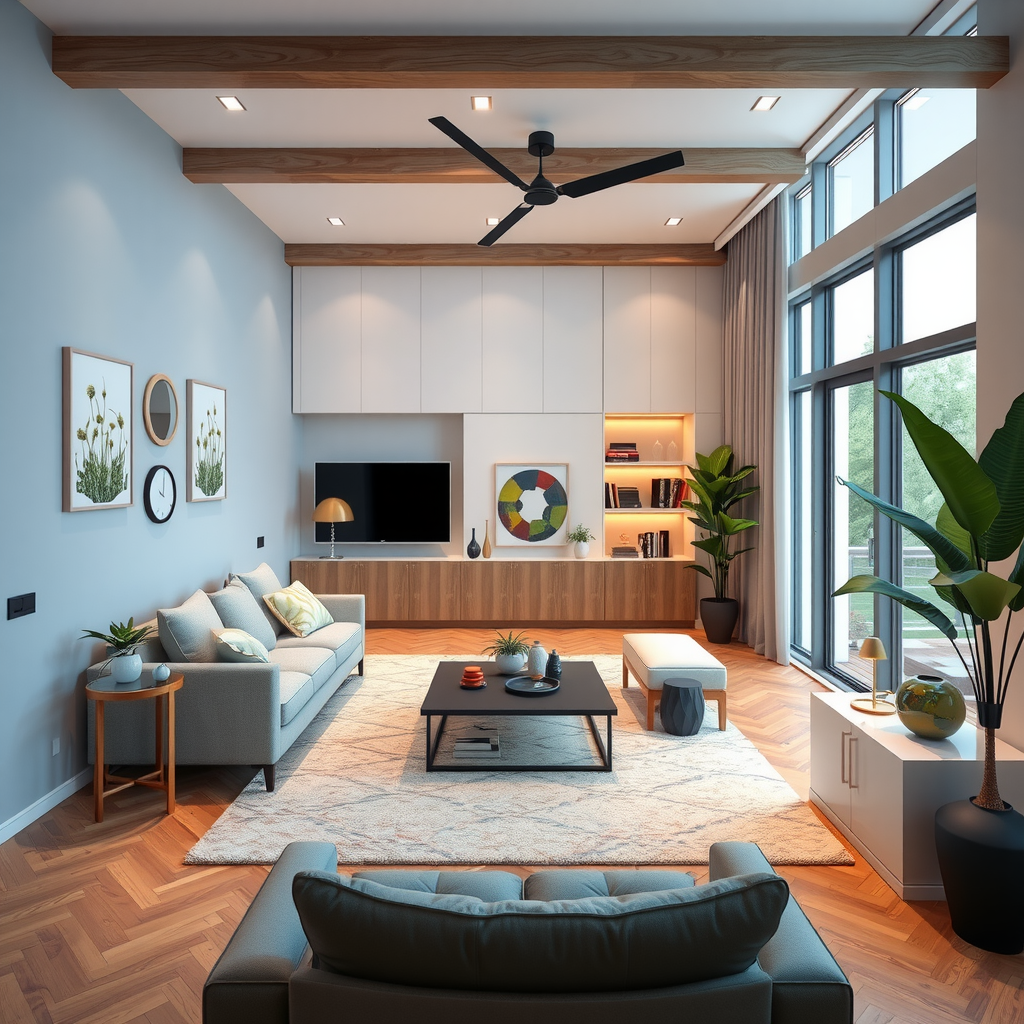
The interior design landscape is experiencing a profound transformation as homeowners and designers increasingly embrace sustainable materials that combine environmental responsibility with stunning aesthetics. This shift represents more than a passing trend—it's a fundamental reimagining of how we create beautiful, functional living spaces while honoring our commitment to the planet.
The Rise of Eco-Conscious Design
Today's homeowners are increasingly aware of their environmental footprint, seeking materials that tell a story of sustainability without compromising on style. Reclaimed wood, bamboo, and recycled glass have emerged as the cornerstone materials of this movement, each offering unique characteristics that enhance both the visual appeal and environmental credentials of modern interiors.
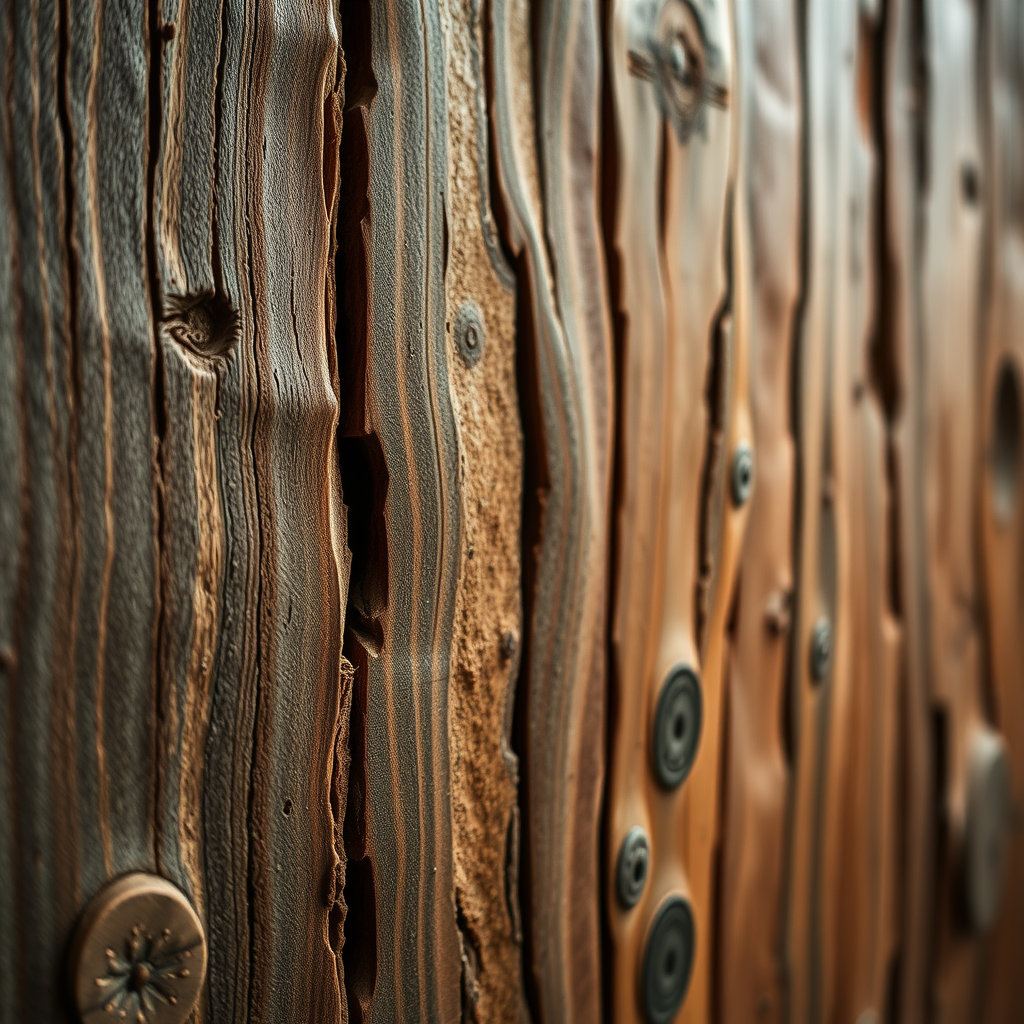
The beauty of sustainable materials lies in their authenticity. Unlike mass-produced alternatives, these materials carry the marks of their history—the weathered patina of reclaimed barn wood, the natural variations in bamboo grain, or the subtle color shifts in recycled glass. These imperfections become design features, adding depth and character to contemporary spaces.
Reclaimed Wood: History Meets Modern Design
Reclaimed wood has become the gold standard for sustainable interior design, offering unmatched character and environmental benefits. Sourced from old barns, factories, and warehouses, this material prevents quality timber from ending up in landfills while reducing the demand for newly harvested wood.
Design Applications for Reclaimed Wood
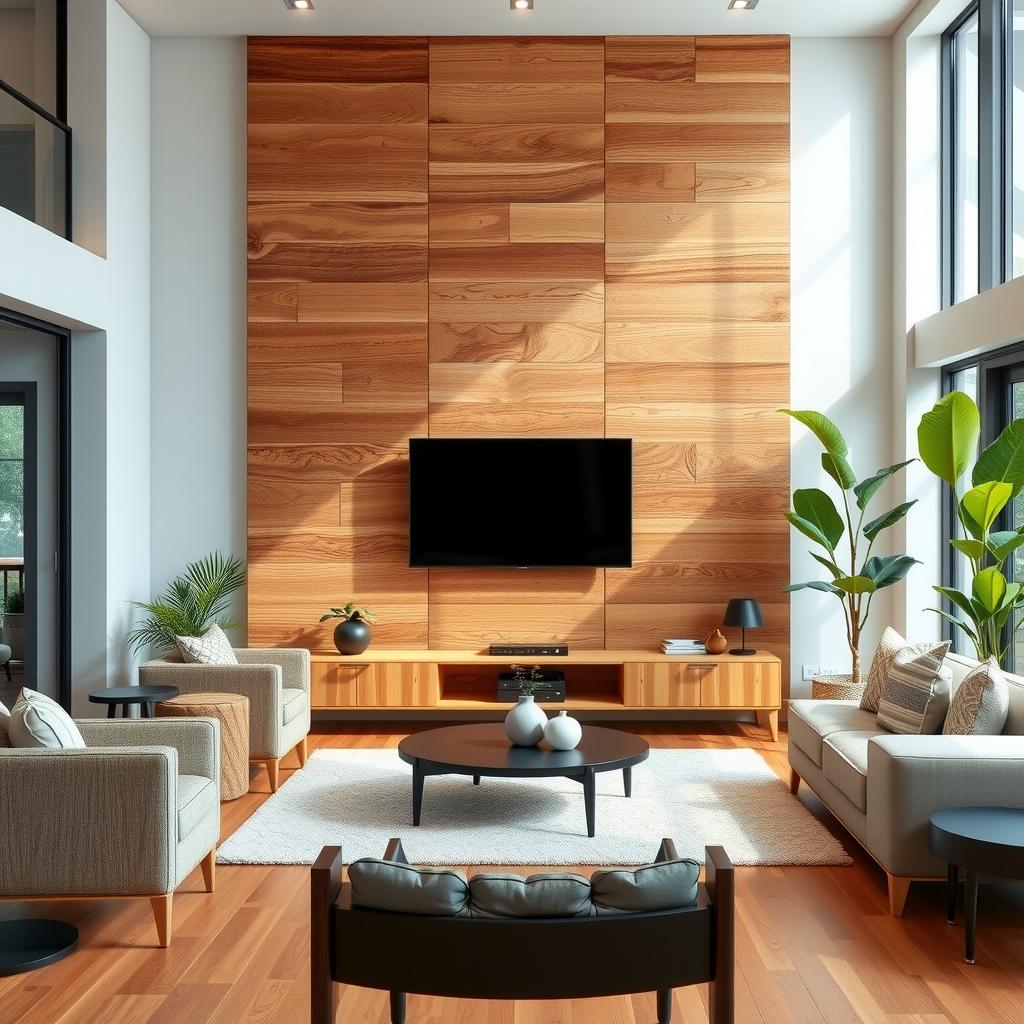
- Accent Walls:Create dramatic focal points with varying plank widths and natural color variations
- Ceiling Treatments:Add warmth and texture to overhead spaces with exposed beam installations
- Custom Furniture:Design one-of-a-kind dining tables, shelving units, and cabinetry
- Flooring:Install wide-plank floors that develop richer patina over time
Bamboo: The Renewable Wonder Material
Bamboo represents the perfect intersection of sustainability and versatility. As one of the fastest-growing plants on Earth, bamboo reaches maturity in just three to five years, compared to decades for traditional hardwoods. This rapid growth cycle, combined with bamboo's natural regeneration without replanting, makes it an exceptionally renewable resource.
Modern processing techniques have transformed bamboo from a niche material into a mainstream design choice. Today's bamboo products rival traditional hardwoods in durability and aesthetic appeal, offering a range of finishes from light natural tones to rich carbonized browns. The material's inherent strength makes it ideal for high-traffic areas, while its natural antimicrobial properties add practical benefits to its environmental credentials.
In contemporary interiors, bamboo flooring creates a clean, modern foundation that complements various design styles. Its subtle grain pattern and consistent coloring provide visual continuity, making spaces feel larger and more cohesive. Beyond flooring, bamboo appears in cabinetry, countertops, and decorative elements, offering designers a versatile palette for sustainable creativity.
Recycled Glass: Transforming Waste into Beauty
Recycled glass has emerged as a stunning material that transforms discarded bottles and windows into sophisticated design elements. The process of crushing, melting, and reforming glass creates products with unique visual properties—subtle color variations, light-catching qualities, and smooth surfaces that add contemporary elegance to any space.
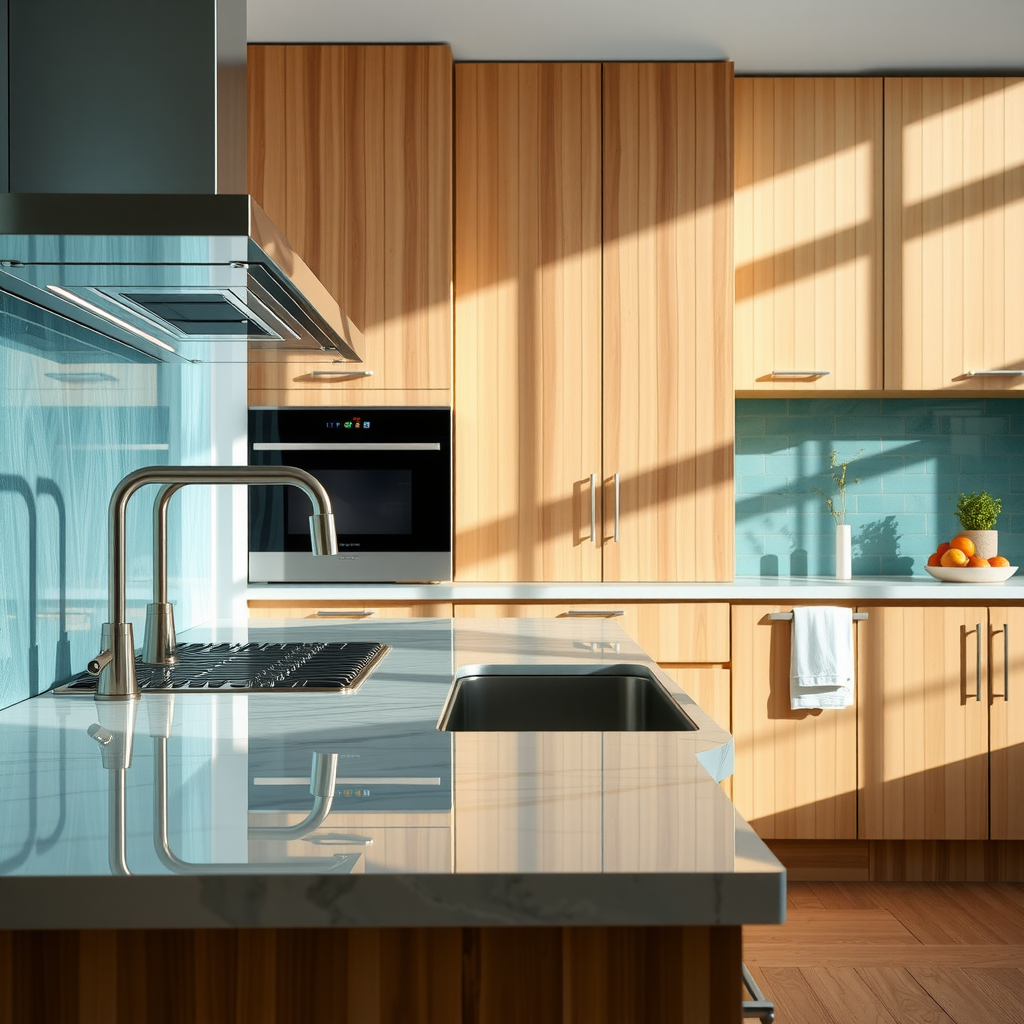
Recycled glass countertops have become particularly popular in kitchens and bathrooms, offering durability comparable to natural stone while maintaining a lighter environmental footprint. The material's non-porous surface resists stains and bacteria, making it both beautiful and practical for food preparation areas. Available in a spectrum of colors from soft whites to deep blues and greens, recycled glass countertops can be customized to complement any design design.
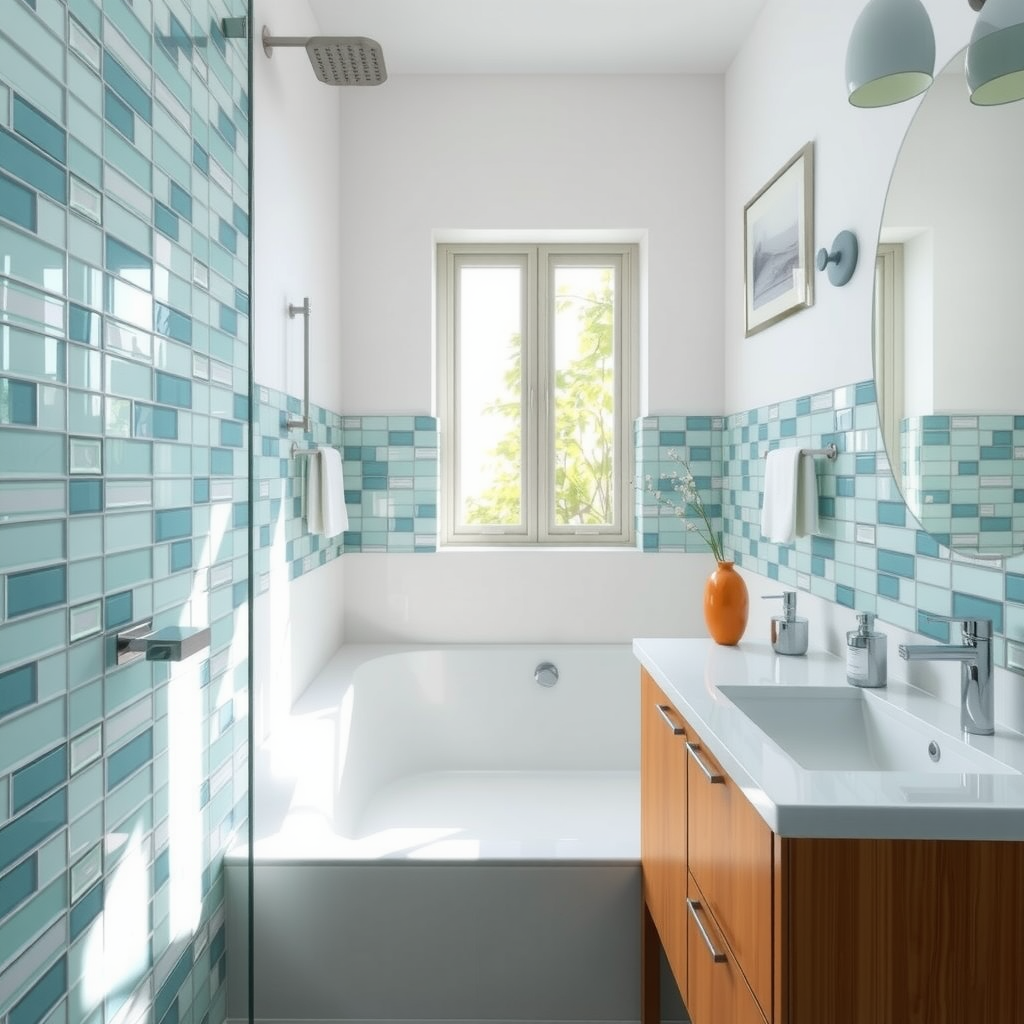
Beyond countertops, recycled glass appears in tile applications, creating stunning backsplashes and shower surrounds. The material's translucent quality allows light to pass through, creating depth and visual interest that solid materials cannot achieve. When backlit, recycled glass tiles become luminous design features that transform ordinary spaces into extraordinary environments.
Practical Integration Strategies
Successfully incorporating sustainable materials requires thoughtful planning and design expertise. The key lies in balancing environmental responsibility with aesthetic goals, ensuring that eco-friendly choices enhance rather than compromise your vision for your space.
Expert Tips for Material Selection
Start with a Focal Point
Choose one sustainable material as your primary design element. A reclaimed wood accent wall or bamboo flooring can anchor your space, providing a foundation for additional eco-friendly choices.
Mix Textures Thoughtfully
Combine smooth recycled glass surfaces with the organic texture of reclaimed wood or bamboo. This contrast creates visual interest while maintaining a cohesive sustainable narrative.
Consider Maintenance Requirements
Different sustainable materials require varying levels of care. Bamboo needs periodic refinishing, while recycled glass countertops require minimal maintenance. Choose materials that align with your lifestyle and maintenance preferences.
Verify Certifications
Look for materials certified by organizations like the Forest Stewardship Council (FSC) for wood products or Cradle to Cradle for comprehensive sustainability standards. These certifications ensure your materials meet rigorous environmental and social responsibility criteria.
The Environmental Impact
The environmental benefits of sustainable materials extend far beyond their immediate aesthetic appeal. By choosing reclaimed wood, you prevent quality timber from decomposing in landfills while reducing the demand for new lumber harvesting. Each reclaimed wood project saves trees, preserves forests, and reduces the carbon footprint associated with logging and transportation.
Bamboo's rapid growth and natural regeneration make it a carbon-negative material—it absorbs more carbon dioxide during growth than is released during processing and transportation. This characteristic positions bamboo as a powerful tool in combating climate change while providing beautiful, durable design solutions.
Recycled glass diverts waste from landfills and reduces the energy required for glass production by up to 30%. The recycling process uses less energy than creating new glass from raw materials, resulting in lower greenhouse gas emissions and reduced resource extraction.
Cost Considerations and Long-Term Value
While sustainable materials may carry higher upfront costs compared to conventional alternatives, their long-term value proposition is compelling. Reclaimed wood's durability and timeless appeal ensure it won't require replacement for decades. Bamboo flooring's hardness rivals traditional oak, providing excellent wear resistance in high-traffic areas. Recycled glass countertops resist scratching, staining, and heat damage, maintaining their beauty with minimal maintenance.
Beyond durability, sustainable materials often increase property value. Today's homebuyers increasingly prioritize environmental responsibility, viewing sustainable features as valuable assets rather than premium upgrades. Homes featuring eco-friendly materials command higher prices and sell faster than comparable properties with conventional finishes.
Future Trends in Sustainable Design
The sustainable materials revolution continues to evolve, with innovations expanding the possibilities for eco-conscious design. Emerging materials like mycelium-based products, recycled plastic composites, and bio-based insulation are pushing the boundaries of what's possible in sustainable interior design.
Technology is also playing a crucial role, with digital tools enabling better material tracking, certification verification, and lifecycle analysis. These advances make it easier for designers and homeowners to make informed decisions about material selection, ensuring their choices align with both aesthetic goals and environmental values.
The integration of smart home technology with sustainable materials represents another exciting frontier. Imagine bamboo flooring with embedded sensors that monitor indoor air quality, or recycled glass surfaces that incorporate LED lighting for energy-efficient illumination. These innovations promise to make sustainable design even more functional and appealing.
Creating Your Sustainable Space
The journey toward sustainable interior design begins with a single choice—whether it's a reclaimed wood coffee table, bamboo flooring in your kitchen, or recycled glass tiles in your bathroom. Each decision contributes to a larger movement toward environmental responsibility while creating spaces that reflect your values and aesthetic vision. At Aster Home Design, we believe that beautiful, sustainable spaces are not just possible—they're the future of interior design. Welcome to a new era where style and sustainability coexist in perfect harmony.