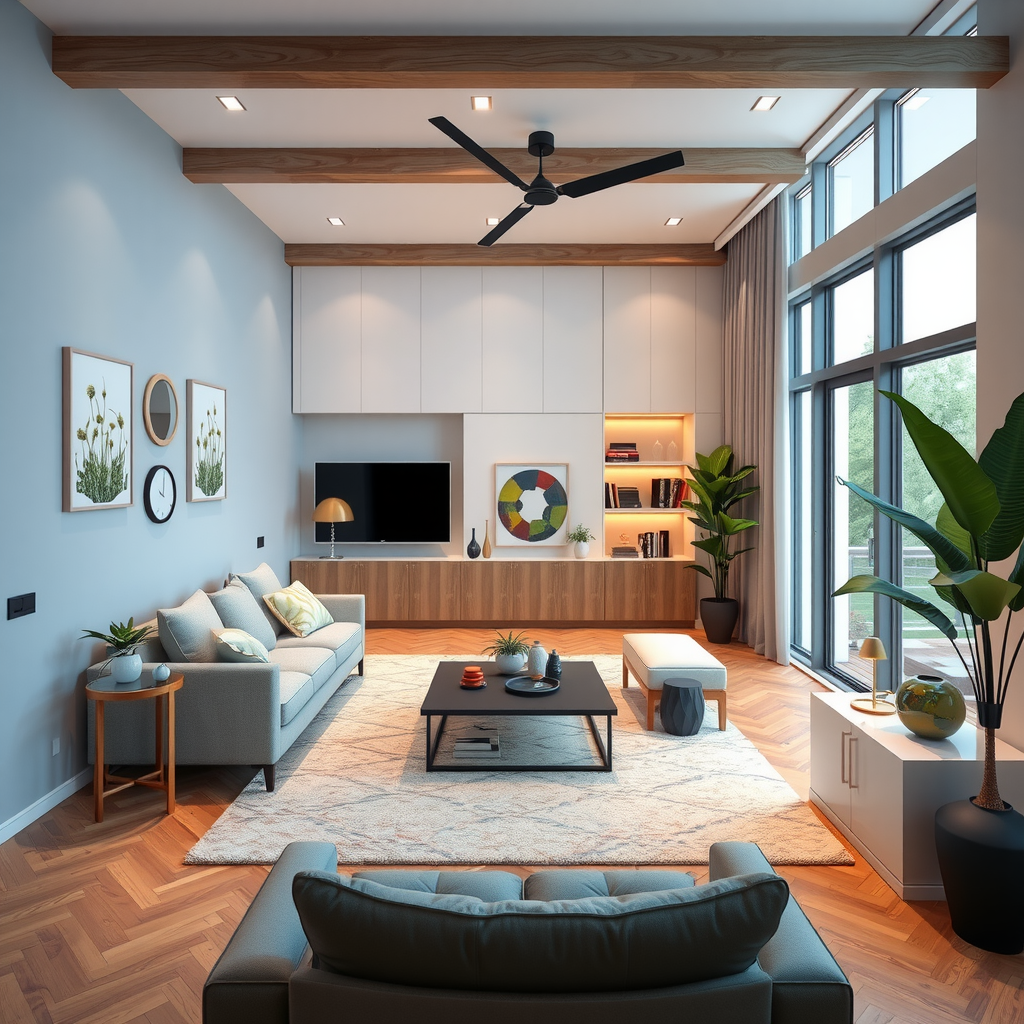
Open Floor Plans: Balancing Style and Functionality

Open floor plans have revolutionized modern home design, creating expansive spaces that promote connection and natural light flow. However, the challenge lies in maintaining distinct functional zones while preserving the sense of openness that makes these layouts so appealing. This comprehensive guide explores innovative strategies for designing open-concept living areas that successfully balance style and functionality.
Understanding the Open Floor Plan Philosophy
The open floor plan concept emerged from a desire to break down traditional barriers between living spaces. By removing walls between the kitchen, dining, and living areas, homeowners gain a sense of spaciousness and improved social interaction. This layout encourages family members and guests to engage with one another naturally, regardless of which zone they occupy.
The key to successful open floor plan design is creating visual and functional boundaries without sacrificing the flow and connection that make these spaces so desirable.
Strategic Furniture Placement
Furniture arrangement serves as the foundation for defining zones within an open floor plan. Rather than pushing all furniture against walls, strategic placement creates natural pathways and distinct areas while maintaining visual connection throughout the space.
Living Area Anchoring
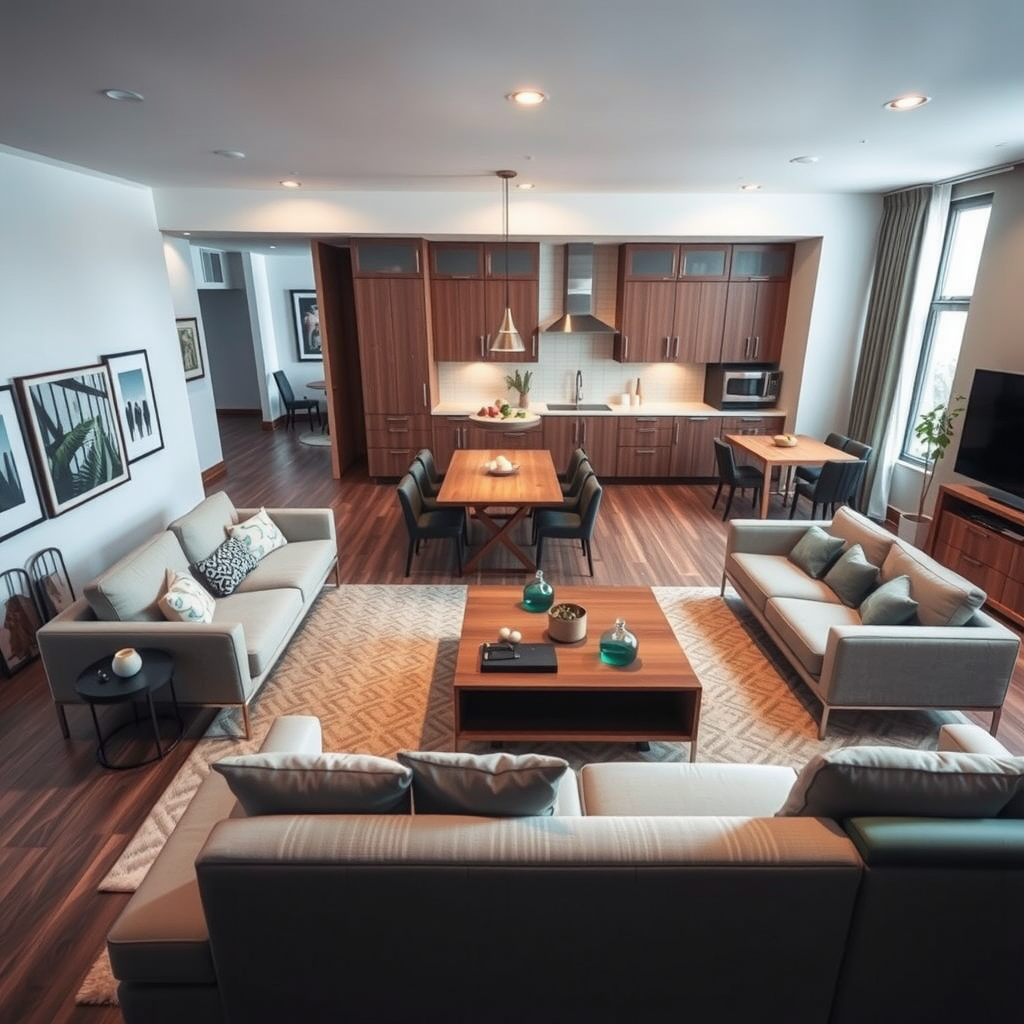
Position your primary seating arrangement to face a focal point, such as a fireplace or entertainment center. A large sectional or sofa with its back to the dining area creates a subtle boundary while allowing conversation to flow freely. Area rugs beneath the seating group further define the living zone and add warmth to the space.
Dining Zone Definition
The dining area benefits from centered placement beneath a statement light fixture. This vertical element draws the eye upward and clearly designates the dining zone. Choose a table size that accommodates your needs while leaving adequate circulation space around all sides—aim for at least 36 inches between the table edge and any walls or furniture.
Kitchen Island as Divider
A well-designed kitchen island serves multiple purposes in an open floor plan. Beyond providing additional workspace and storage, it acts as a natural divider between the kitchen and living areas. Consider extending the island to include a raised bar section with seating, creating a casual dining option that facilitates interaction between the cook and guests.
Visual Dividers That Maintain Openness
Creating distinct zones doesn't require solid walls. Innovative visual dividers provide separation while preserving the open, airy feel that makes these floor plans so attractive.
Open Shelving Systems
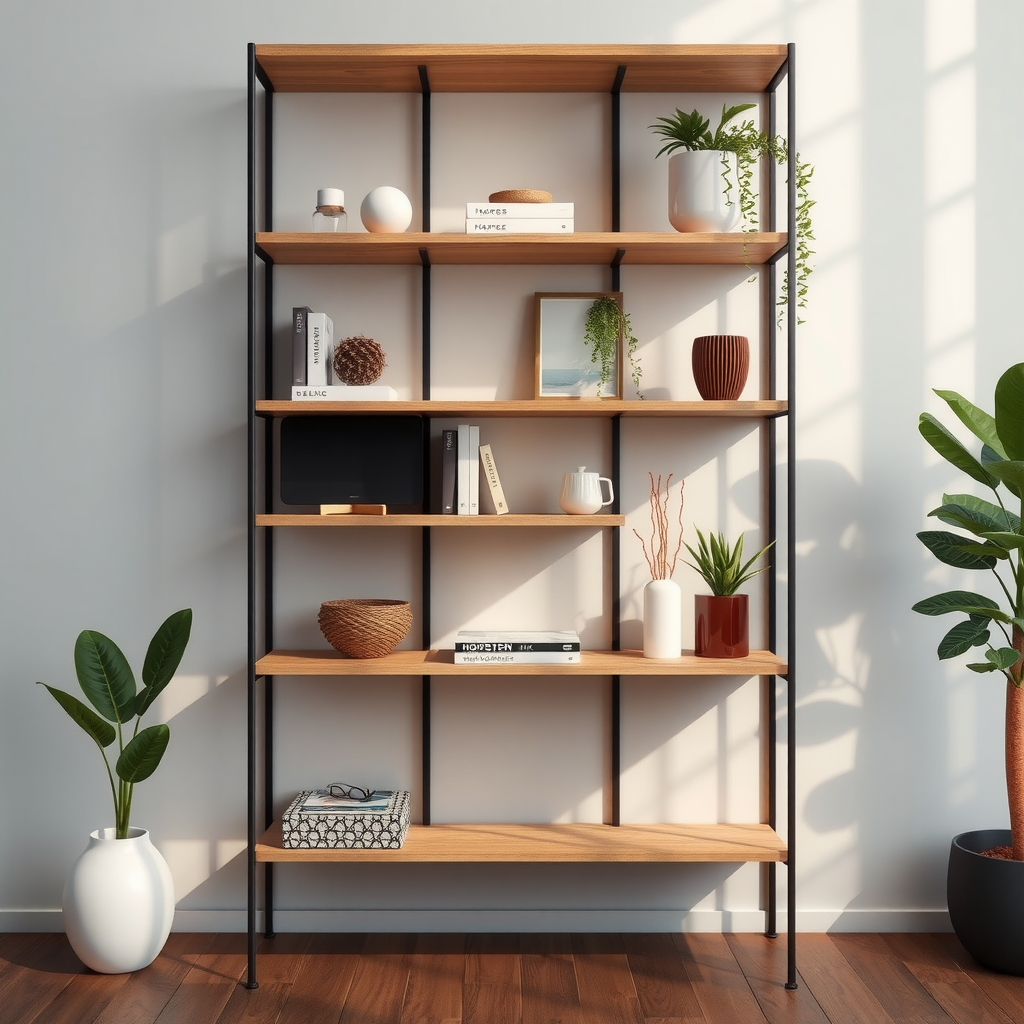
Floor-to-ceiling open shelving units create visual interest while allowing light to filter through. These versatile dividers provide display space for books, plants, and decorative objects, adding personality to your space. Choose shelving with varying depths and heights to create dynamic visual appeal without blocking sightlines completely.
Partial Walls and Half-Height Partitions
Half-height walls or pony walls offer structural definition without completely closing off spaces. These architectural elements can incorporate built-in storage, display niches, or even aquariums, transforming functional dividers into design features. Top them with glass panels or leave them open to maintain visual connection while providing acoustic separation.
Sliding Panels and Screens
Movable dividers offer flexibility to adapt your space as needs change. Sliding barn doors, Japanese-style shoji screens, or contemporary metal-framed glass panels can be opened to create one large space or closed to provide privacy and separation. This adaptability proves particularly valuable when working from home or hosting guests.
Color and Material Zoning
Strategic use of color and materials helps define different areas within an open floor plan while maintaining cohesive design throughout the space.
Flooring Transitions
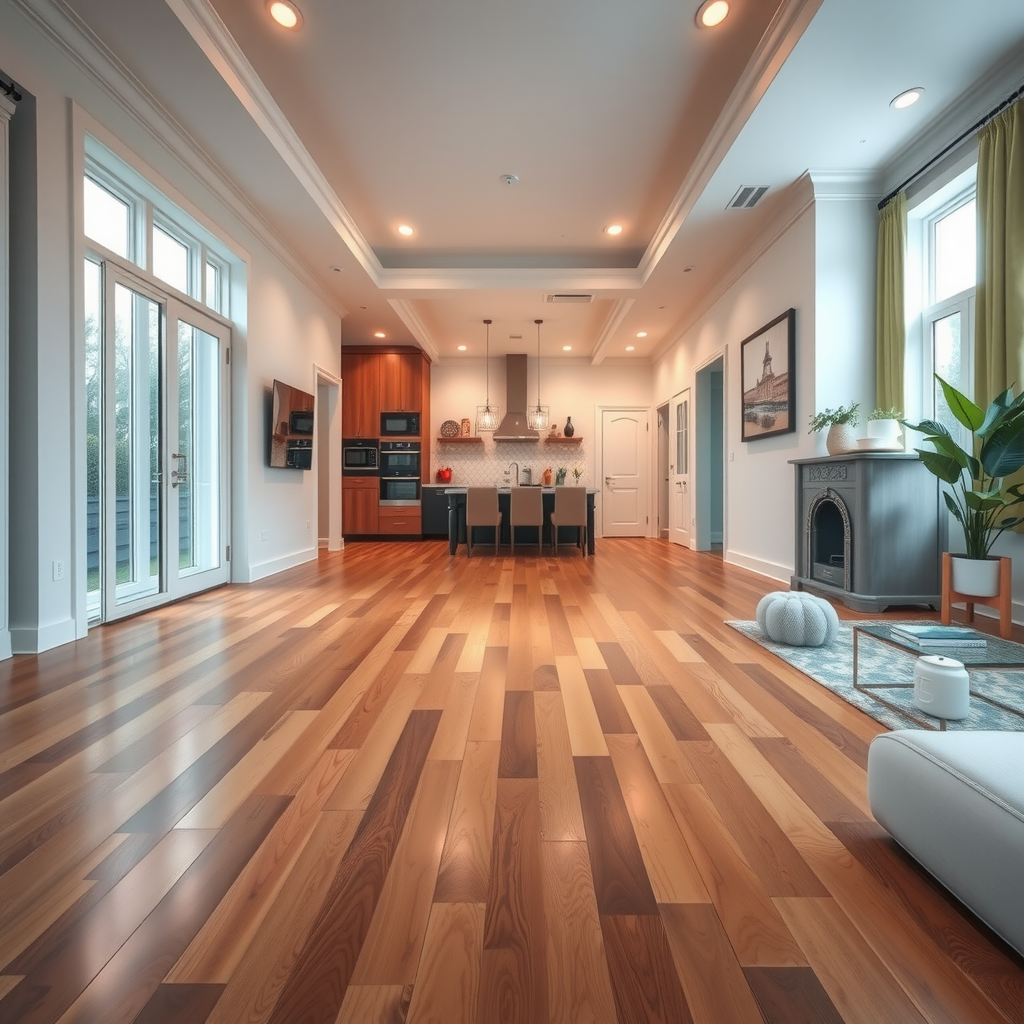
Different flooring materials naturally delineate zones while adding textural interest. Transition from hardwood in living areas to tile in the kitchen, or use area rugs to define specific zones within a larger space. Ensure transitions between materials are smooth and intentional, avoiding abrupt changes that disrupt visual flow.
Accent Wall Strategy
A carefully placed accent wall draws attention to a specific zone without overwhelming the space. Consider painting the wall behind your dining table in a complementary color, or use textured wallpaper to highlight the living area. Keep the remaining walls neutral to maintain the sense of openness while creating visual interest.
Cohesive Color Palette
While defining zones through color, maintain a cohesive palette throughout the space. Choose three to five colors that work harmoniously together, using them in varying proportions across different zones. This approach creates visual unity while allowing each area to maintain its distinct character.
Lighting Design for Zone Definition
Thoughtful lighting design plays a crucial role in defining zones within an open floor plan while creating ambiance and functionality.
Layered Lighting Approach
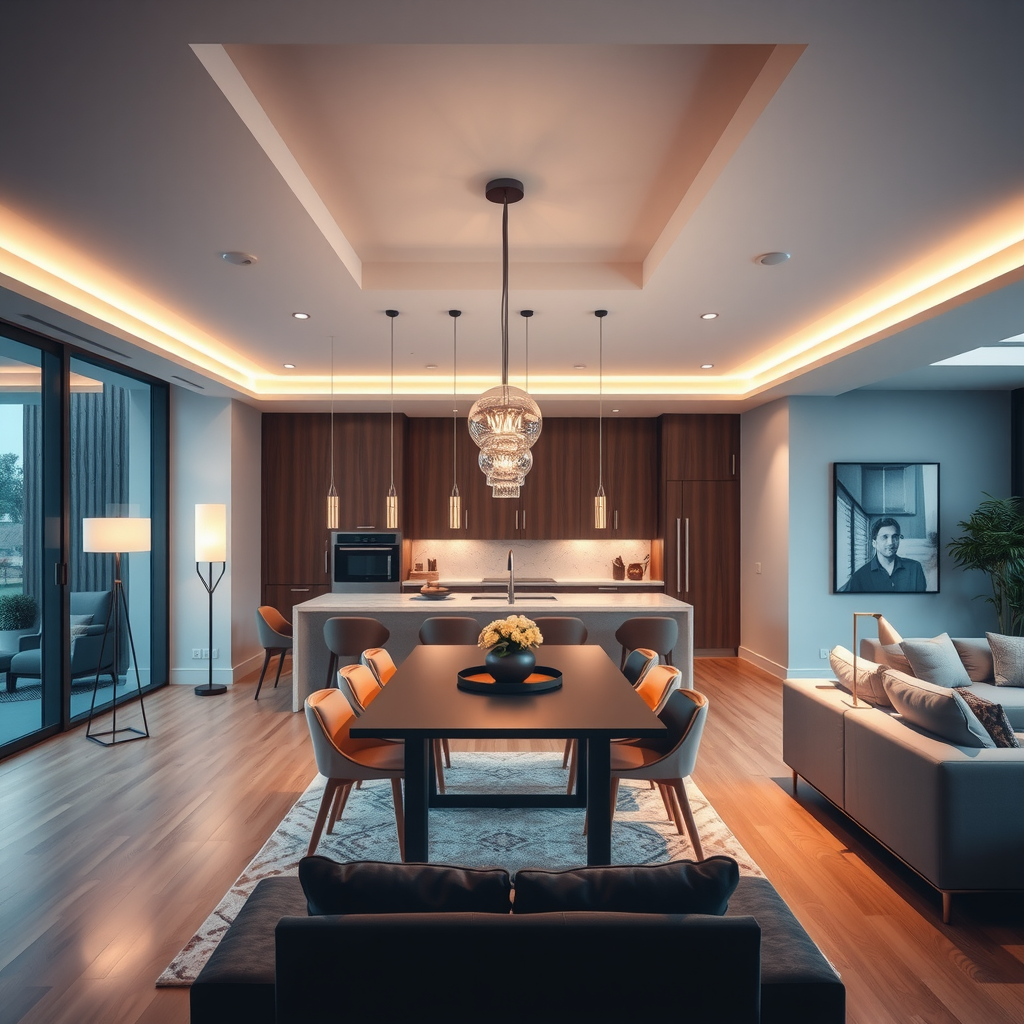
Implement multiple lighting layers—ambient, task, and accent—to create depth and functionality. Overhead fixtures provide general illumination, while task lighting addresses specific needs in the kitchen and reading areas. Accent lighting highlights architectural features and artwork, adding drama and visual interest.
Statement Fixtures as Zone Markers
Distinctive light fixtures serve as visual anchors for different zones. A dramatic chandelier or cluster of pendants above the dining table clearly defines that area, while a sculptural floor lamp marks the reading corner. Choose fixtures that complement your overall design aesthetic while providing adequate illumination for each zone's specific function.
Dimmer Controls for Flexibility
Install dimmer switches throughout your open floor plan to adjust lighting levels based on time of day and activity. This flexibility allows you to create intimate dining experiences, bright task lighting for cooking, or soft ambient lighting for relaxation—all within the same space.
Maintaining Flow and Connection
While creating distinct zones is important, preserving the flow and connection that make open floor plans desirable requires careful attention to circulation patterns and sightlines.
Clear Circulation Paths
Maintain clear pathways between zones, allowing easy movement throughout the space. Aim for circulation paths at least 36 inches wide, with 42 to 48 inches in high-traffic areas. Avoid placing furniture in ways that create awkward navigation or force people to walk around obstacles unnecessarily.
Sightline Considerations
Preserve visual connections between zones by keeping dividers low or transparent where possible. This allows family members to interact naturally across the space while maintaining the sense of openness. Consider how the space looks from various vantage points, ensuring that no single zone feels isolated or cut off from the rest.
Unified Design Elements
Repeat design elements throughout the space to create visual continuity. This might include consistent hardware finishes, repeated accent colors, or similar furniture styles. These recurring elements tie different zones together while allowing each area to maintain its distinct function and character.
Key Takeaways
- Use furniture placement strategically to define zones without blocking flow
- Incorporate visual dividers that maintain openness while providing separation
- Employ color and material transitions to delineate different areas
- Design layered lighting schemes that define zones and create ambiance
- Preserve clear circulation paths and sightlines throughout the space
- Maintain design continuity through repeated elements and cohesive color palettes
Practical Implementation Tips
Successfully implementing these strategies requires careful planning and attention to detail. Start by measuring your space thoroughly and creating a scaled floor plan. Experiment with different furniture arrangements using painter's tape on the floor to visualize zones before committing to placement.
Consider the natural traffic patterns in your home and how family members use the space throughout the day. This understanding helps you create zones that support daily activities while maintaining the open, connected feel that makes these floor plans so appealing.
Remember that open floor plan design is an iterative process. Don't be afraid to adjust furniture placement, try different divider solutions, or experiment with lighting arrangements until you achieve the perfect balance of style and functionality for your home.
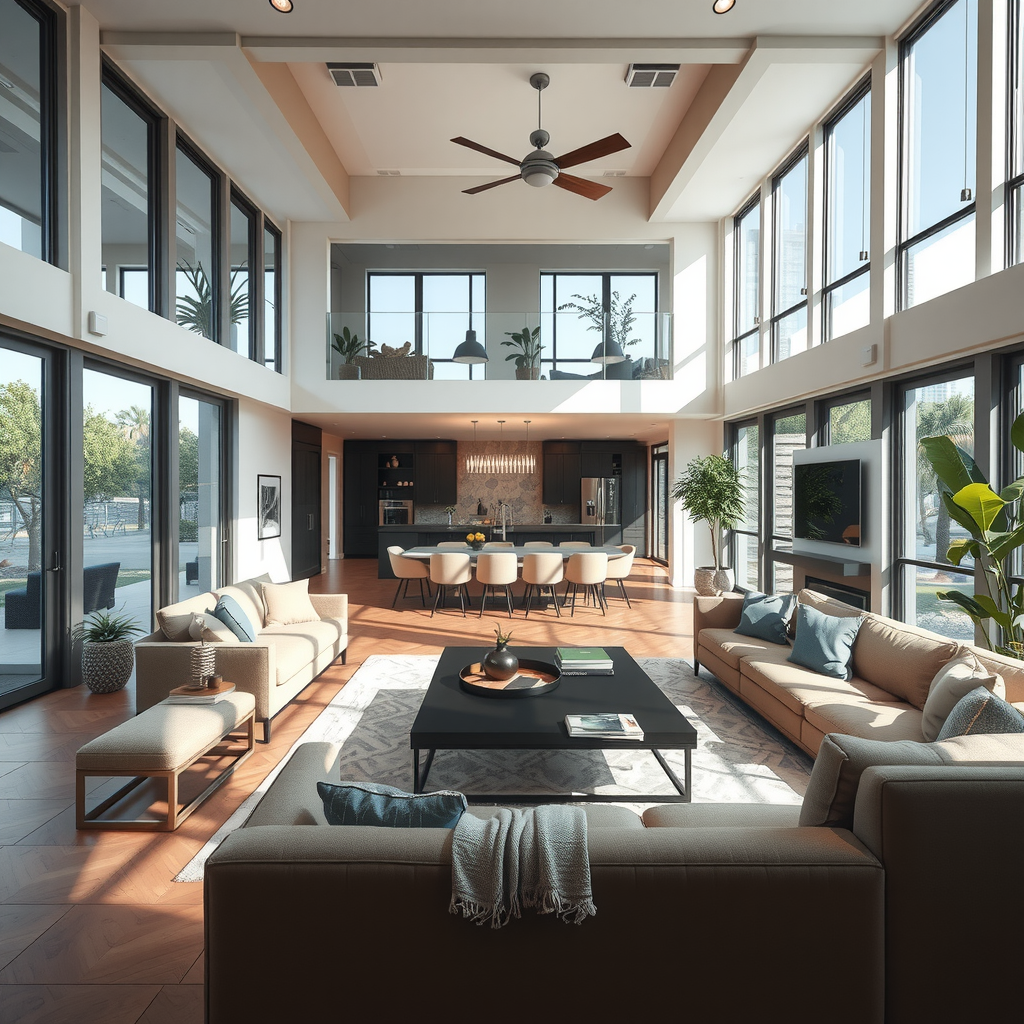
By thoughtfully implementing these strategies, you can create an open floor plan that successfully balances the desire for spaciousness and connection with the practical need for defined functional zones. The result is a home that feels both expansive and intimate, promoting interaction while respecting the distinct purposes of different areas.
Whether you're designing a new home or renovating an existing space, these principles will help you achieve an open floor plan that truly works for your lifestyle—combining the best of contemporary design with timeless functionality.